<< collection 9 | top of current | 11 >>

<< previous page | next page >>

10. MAGICAL LITERATURE (1)

10.1. SUMERIAN MAGICAL LITERATURE

MS 3033 Sumer, 26th c. BC
MS 4549/1 Sumer, 26th c.

10.2. BABYLONIAN MAGAICAL LITERATURE

MS 3000 Babylonia, ca. 1800 BC
MS 2779 Babylonia, 1000-600 BC

10.3. ASSYRIAN MAGICAL LITERATURE

MS 3272/1 Assyria, 8th c. BC
See also MS 2447, Assyria, 900-600 BC

10.4. GREEK MAGICAL LITERATURE

See MS 1700, Greece, 5th c. BC

10.5. ROMAN MAGICAL LITERATURE

MS 1720/2, England, ca. 150-300

10.6. MEDIEVAL MAGICAL LITERATURE

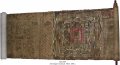
See MS 1817, Luxembourg, 2nd half 8th c.
See MS 1697, Denmark, 10th c.

10. Magical Literature

10.1 Sumerian Magical Literature

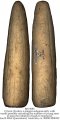
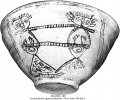
MS 3033
EX-VOTO OFFERING BY A PERSON SUFFERING FROM SOME FOOT OR LEG AILMENT: WHAT SHALL I DO REGARDING MYSELF?, A PLEA TO THE DEITY FOR HEALING INSTRUCTIONS AND ASSISTANCE

MS in Sumerian on clay, Sumer, 26th c. BC, 1 votive child foot with 6 toes, 12,2x6,1x5,4 cm, 1 compartment of cuneiform script.


Commentary: This votive object is of primary importance in the history of medicine and magic, being the earliest known object in a tradition that continues to this day.


Published: Andrew George, ed.: Cuneiform Royal Inscriptions and Related Texts in the Schøyen Collection, Cornell University Studies in Assyriology and Sumerology, vol. 17, Manuscripts in the Schøyen Collection, Cuneiform texts VI. CDL Press, Bethesda, MD, 2011, text 9, p. 10, pl. VII.

ms 3033
back to top top
MS 4549/1
NINE INCANTATIONS GIVEN IN THE NAME OF THE GODDESS NIN-GIRIMMA, ONE CONCERNING SICK INNER PARTS, AND THE RITE: HE POURED OUT FOR ME WATER OF THE TIGRIS AND EUPHRATES; WITH COLOPHON: A RECITATION OF UR-GIBIL, SCRIBE WITH 4 HIGH PRIESTLY TITLES

MS in Sumerian on clay, Ebla?,North Syria, 26th c. BC, 1 tablet, 14x16x3 cm, 6+5 columns, 74+41 compartments of cuneiform script, by the scribe Ur-Gibil, with a decorative line of small KASKAL-signs preceding each spell on reverse.

Context: There are 4 similar tablets from Fara, 1 tablet from Lagash, and 12 tablets from Ebla, all except 1 are small and broken. None of these overlap the present tablet, which makes it the major tablet of the genre. It might be related to MS 4550 with a similar text; cf. MS 3280, Snake incantations, and MS 4549/2 by the same scribe.

Commentary: The text is attributed to a named author, which is unique and without precedent apart from a very small tablet of the snake incantations from the same period, with a recitation of Ur-Bilgi, MS 4549/2. There is no other case of an author or authority being named like this at the end of a Sumerian incantation.

ms 4549/1

The sign for "Recitation" is Sumerian "shid", which corresponds to Akkadian "manu", "to recite". The use of the term in such a context is likewise without parallel. This is from the oldest literature with a named author, who also identifies him as a scribe, implying he wrote it himself, which makes this one of the first literary autographs.

back to top top

10.2 Babylonian Magical Literature

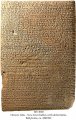
MS 3000
OMENS: ISBU - NEW BORN BABIES WITH DEFORMITIES; 69 OMENS ms 3000

MS in Old Babylonian on clay, Larsa or Ur, Babylonia, ca. 1800 BC, 1 tablet, 17,1x11,8x3,0 cm, single column, 92 lines in cuneiform script.

Binding: Barking, Essex, 2000, blue cloth gilt folding case by Aquarius.

Commentary: The total number, 69, of this collection of medical omens is given at the end of the tablet. This text is only known from the ca. 1000 years later Neo Babylonian versions. Omens was collections of observations made over hundreds of years, concerning the stars, the appearance of the liver of a sacrificial sheep, movement of birds, abnormal births, etc. The individual omens ran into many thousands collected in carefully ordered tablets that reached over one hundred. The texts were consulted in the library before important decisions should be taken by a king or a military commander, or in everyday's life. This type of divination first spread to Syria and Palestine, where liver models of clay to aid in this science have been excavated at Hazor. It eventually passed to the Etruscans, and so became known to the Romans.

back to top top
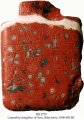
MS 2779
LAMASHTU DAUGHTER OF ANU, HER FIRST NAME IS THAT, THE SECOND IS: SISTER OF THE GODS OF THE STREETS, THE THIRD IS: DAGGER WHICH SMASHES THE HEAD, ETC. UNTIL, THE SEVENTH IS: BE EXORCISED BY THE GREAT GODS

MS in Babylonian on red jasper, Babylonia, 1000-600 BC, 1 plaque, 6,2x4,7x1,2 cm, single column, 10 lines of monumental cuneiform script, 5 illustrations, the main illustration showing the female demon Lamashtu standing on the back of a horse, suckling a piglet and a whelp and with a snake in each hand, with a loop handle.

Commentary: Commentary: This monster demon was well known in the Ancient Near East for killing or removing new-born babies, slipping unnoticed into the house at their most vulnerable period. She was the daughter of Anu, the head of the Mesopotamian pantheon. Some amulets were designed to be worn by the mother, like the present one, others by the baby, and the biggest examples to be hung on the bed, or on the wall.

A long ritual was used to combat her. A likeness of Lamashtu was placed in a little boat together with items of female apparel and offerings to distract her attention. The model boat was then placed in the swift-flowing Tigris River, and she was borne away to the Underworld, leaving mankind in peace. As a deterrent mothers often wore a bronze head of the god Pazuzu to protect them and force Lamashtu back to the underworld.

ms 2779
back to top top

10.3 Assyrian Magical Literature

MS 3272/1
SPELL TO DRIVE AWAY ILLNESS AND AID SLEEP FOR A NAMED WOMAN, ACCORDING TO A MAGICAL RITUAL ms 3272/1

MS in Neo Assyrian on clay, Assyria, 8th c. BC, 1 cylinder seal formed amulet, diam. 1,0x2,0 cm, 8 lines in cuneiform script, a hole through the centre for suspension.

Commentary: The magical ritual is according to a tablet discovered in British Museum around 1995. Apart from MSS 3271/1-2, there is only 7 other amulets known, all in British Museum

See also MS 2447, Incantation, Assyria, 900-600 BC

back to top top

10.4 Greek Magical Literature

See MS 1700, Curses, Greece, 5th c. BC

10.5 Roman Magical Literature

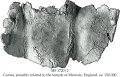
MS 1720/2
CURSES, POSSIBLY RELATED TO THE TEMPLE OF MERCURY ms 1720/2

MS in Latin on lead, Tarlton, Gloucestershire, England, ca. 150-300, 1 tablet, 3,9x8,0 cm, 3 lines in Old Roman Cursive.

Context: Of the 8 curse tablets MS 1720/1-6 were found together near Tarlton. Many of the tablets found at Bath, very close to Tarlton, are written in the same style, but the "M" and the "R" are unusual in this tablet. This is the 3rd largest hoard of curse tablets found in England, next to the Bath and Uley hoards.

Provenance: 1. Tarlton hoard, Gloucestershire; 2. Nicholas Wright, London (-1993); 3. Jeremy Griffiths, Oxford.

Commentary: There are several interesting dialect spellings, possibly reflecting features of the version of Latin written and spoken by the British tribe of the Dobunni. The ORC and LRC form the basis for the later National scripts in Europe, and examples are not recorded in any other known private MS collections, apart from MSS 1706/1-2, 1720/1-7.

back to top top

10.6 Medieval Magical Literature

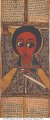
See MS 1817, Spell for recovery, Luxembourg, 2nd half 8th c.

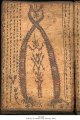
See MS 1697, Runic incantation formula, Denmark, 10th c.

back to top top

>> MAGICAL LITERATURE (2)